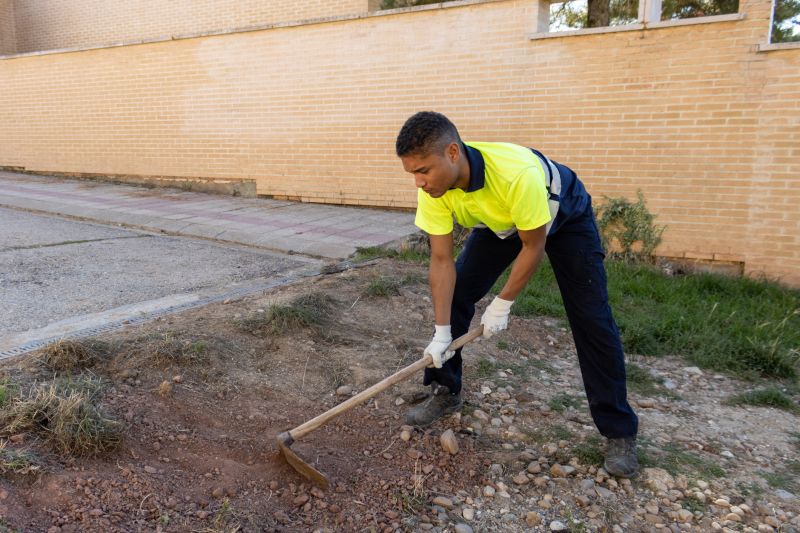
Dirt Relocation in Houston, TX
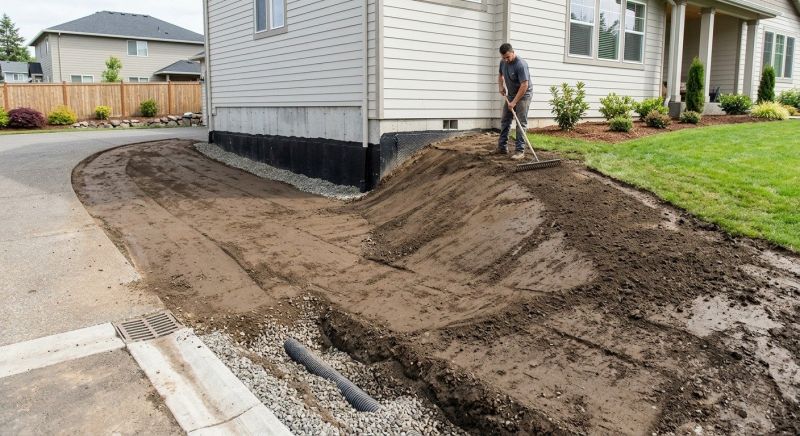
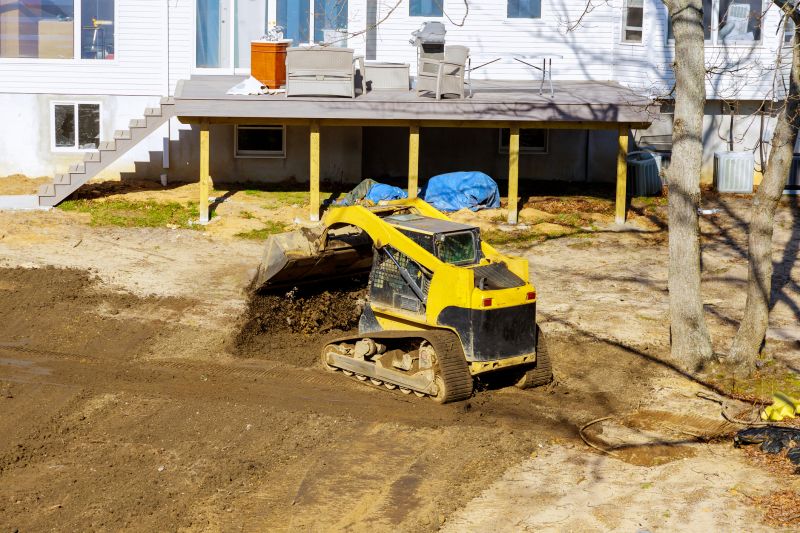
Dirt relocation services involve the moving, reshaping, and leveling of soil on residential properties to prepare for landscaping, construction, or drainage improvements. These services are commonly used for projects such as creating level yards, building retaining walls, installing new lawns, or managing water runoff. Property owners typically want to understand the scope of the work, including how much soil needs to be moved, the equipment used, and how the process will impact their existing landscape or structures.
Before requesting dirt relocation, homeowners should consider the current condition of their property and any future plans that might be affected by soil movement. It is helpful to know the specific areas where soil needs to be added or removed, as well as any underground utilities or existing features that could influence the project. Clear communication about project goals and property boundaries ensures that the soil relocation aligns with the desired outcome and minimizes potential disruptions.
Many property owners in Houston, TX look into Dirt Relocation for repairs, replacements, upgrades, and appearance-related improvements.
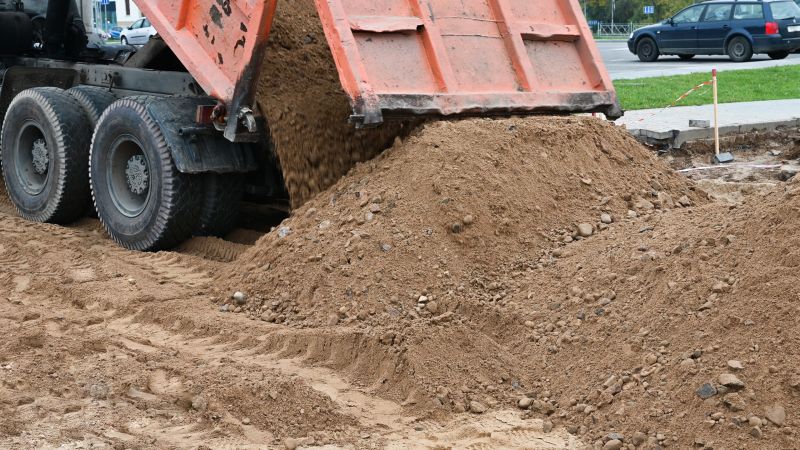
Site Preparation And Grading
Dirt relocation helps prepare land for construction, landscaping, or drainage improvements in houston.
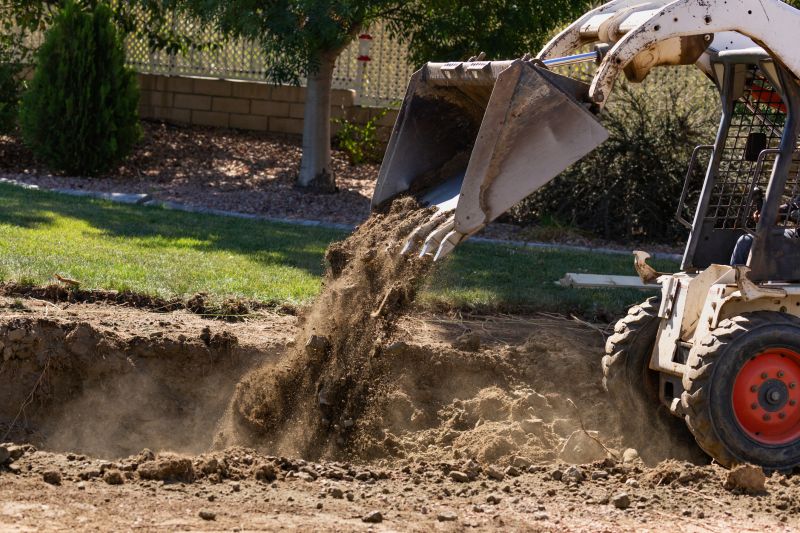
Landscaping And Garden Projects
Moving soil and dirt is essential for creating level lawns, garden beds, and outdoor features.
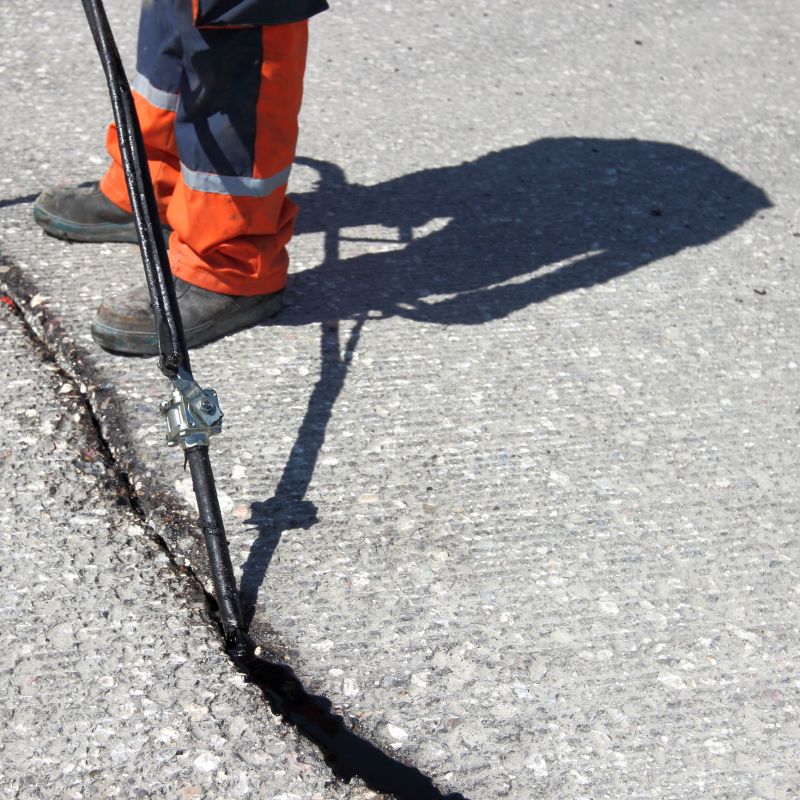
Erosion Control And Drainage
Proper dirt management supports effective drainage and reduces soil erosion on residential properties.
Dirt Relocation in Houston, TX

Dirt relocation services involve the moving, reshaping, and leveling of soil on residential properties to prepare for landscaping, construction, or drainage improvements. These services are commonly used for projects such as creating level yards, building retaining walls, installing new lawns, or managing water runoff. Property owners typically want to understand the scope of the work, including how much soil needs to be moved, the equipment used, and how the process will impact their existing landscape or structures.
Before requesting dirt relocation, homeowners should consider the current condition of their property and any future plans that might be affected by soil movement. It is helpful to know the specific areas where soil needs to be added or removed, as well as any underground utilities or existing features that could influence the project. Clear communication about project goals and property boundaries ensures that the soil relocation aligns with the desired outcome and minimizes potential disruptions.
Many property owners in Houston, TX look into Dirt Relocation for repairs, replacements, upgrades, and appearance-related improvements.
Common Dirt Relocation Jobs
Excavation and site clearing - preparing land for construction, landscaping, or drainage improvements.
Soil removal and redistribution - relocating excess dirt to level or shape yard areas.
Foundation backfill - filling around new or existing foundations for stability and support.
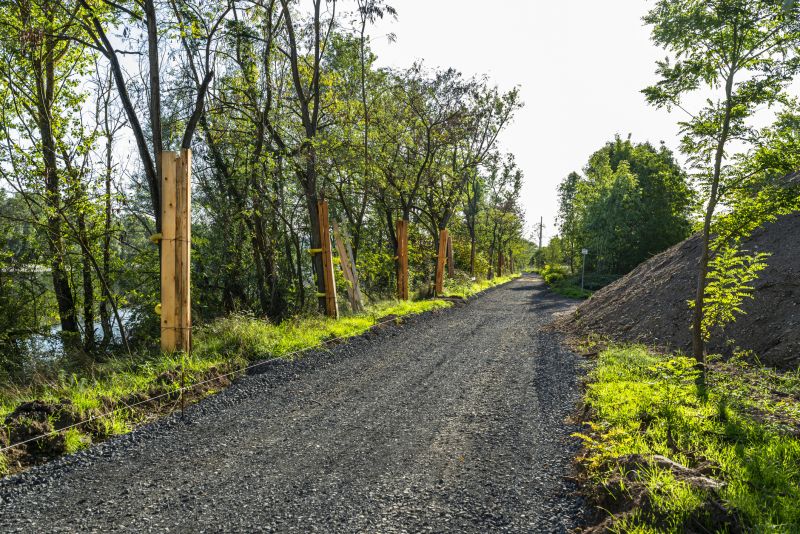
Driveway and pathway grading - ensuring proper slope and drainage for paved surfaces.
Landscape grading - contouring land to prevent erosion and improve water flow.
Debris and dirt hauling - removing unwanted soil, rocks, and debris from property sites.
Dirt Relocation Questions
What types of dirt relocation projects are common? Projects often include landscaping prep, building site clearance, driveway leveling, and garden bed creation.
How is dirt relocation typically performed? The process involves excavation, hauling, and precise spreading to achieve the desired landscape or construction grade.
What should property owners consider before dirt relocation? It's important to evaluate the amount of dirt needed, site access, and any grading or drainage requirements.
Is dirt relocation suitable for small or large projects? It can be adapted for both small residential upgrades and larger construction or landscaping projects.
Request Dirt Relocation in Houston, TX
Use the quote form on this page to share the basics of your project and request more information for the type of work you need.